M - F: 7:00AM - 6:00PM | Saturday: 7:00AM - 5:00PM | Sunday: Closed
(615) 919-9634
1875 West McEwen Drive Franklin, TN 37067
Most brake problems do not start as a big problem. They start as a small change you notice on a normal drive. A squeak pulling into a parking garage. A faint vibration when you slow down at a busy light. A brake pedal that feels a little different in traffic.
In Franklin and Cool Springs, it is common for Toyota brakes to feel inconsistent because daily driving is inconsistent. Some days are short local hops on Cool Springs Blvd and Moores Lane. Other days involve commuting and heavier traffic on I-65, I-24, or the I-840 loop. Different speeds, different braking intensity, different heat levels. If something stops feeling normal, the fastest way to get clarity is to schedule a brake check.
Most brake changes come from normal wear and heat cycling. Brake pads gradually wear down. Rotors can develop wear patterns over time. Brake fluid and brake hardware can influence how the pedal feels and how the system responds (varies). The key is not to guess which component is involved. The key is to recognize when the symptom is becoming consistent.
A quick squeak that shows up only on the first stop after rain can be normal (varies). A repeated squeal every time you brake, a grinding sound, or a steering wheel shake that happens only while braking should be checked sooner rather than later.
Brake symptoms often become noticeable when the workload changes. Stop and go traffic on I-65 or I-24 can put repeated heat into the braking system. Short trips and frequent stops around Cool Springs can mean your brakes never get a long, steady drive between heavy use. That is why a vehicle can feel perfectly fine one week, then start making noise or vibrating the next (varies).
If you notice the issue most when you exit the highway and slow down into local streets, or when you are creeping through busy intersections near shopping areas, that detail is helpful to share at check in.
Toyota brake pads often give clues before performance drops. Noise is one clue. Feel is another. Consistency is the third.
If you hear a squeal that becomes more frequent, that may point to brake pad wear or hardware contact (varies). If you feel vibration through the steering wheel only while braking, that can overlap with rotor related vibration or other factors that show up under braking (varies). If the brake pedal feels soft, spongy, or travels farther than normal, that can point to a brake fluid condition issue or another brake system concern (varies).
The most useful way to describe it is when it happens and how repeatable it is. First stop only, every stop, only at higher speeds, only in traffic. That description helps the technician confirm the cause faster.
Toyota brake fluid is what transfers force from your foot into braking pressure. When fluid level or condition is off (varies), drivers often notice it as a change in pedal feel before they notice a sound. That can show up as a softer pedal, longer pedal travel, or braking that feels inconsistent in traffic (varies).
If pedal feel changes suddenly, it is worth scheduling service promptly. Sudden changes are not something to ignore or test your luck with.
A good inspection should give you clarity, not confusion. The goal is to confirm what is worn, what is still healthy, and what is actually causing the symptom you feel or hear.
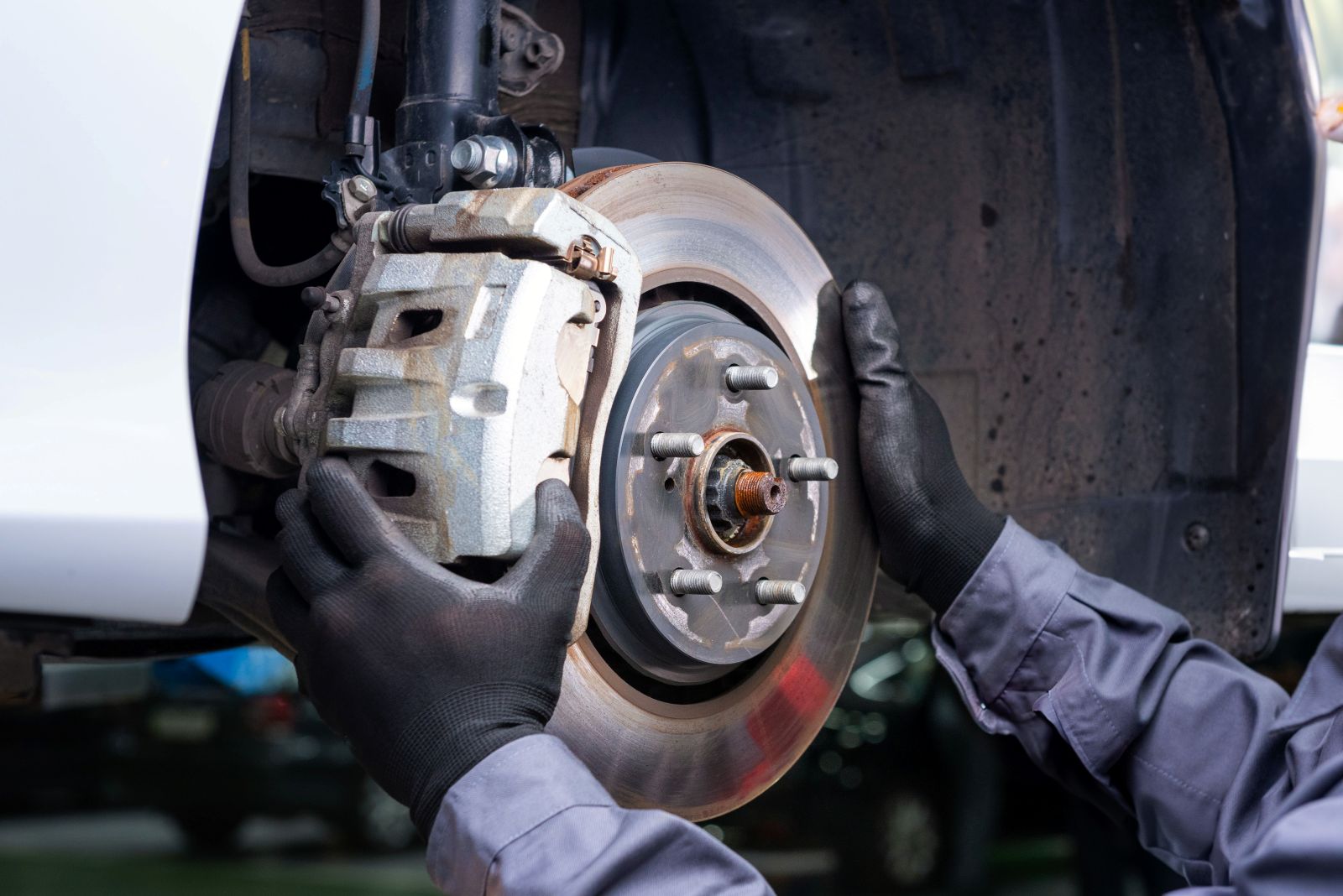
At Toyota of Cool Springs Service Center, the team will typically verify your concern, inspect brake pads and rotors for wear, check brake fluid level and condition, and look at related items that can influence braking feel. If the symptom is hard to describe, a road test may be used to reproduce it so the recommendation matches what you are experiencing.
Toyota trained technicians can explain what they are seeing and why they are recommending a specific next step. If replacement is needed, the recommendation should match your Toyota and your driving routine.